
Scholars
The Termeer Scholars Program is an immersive, cohort-based initiative designed to empower academic innovators looking to transform their research into ideas that directly impact patients.
PROGRAM DETAILS
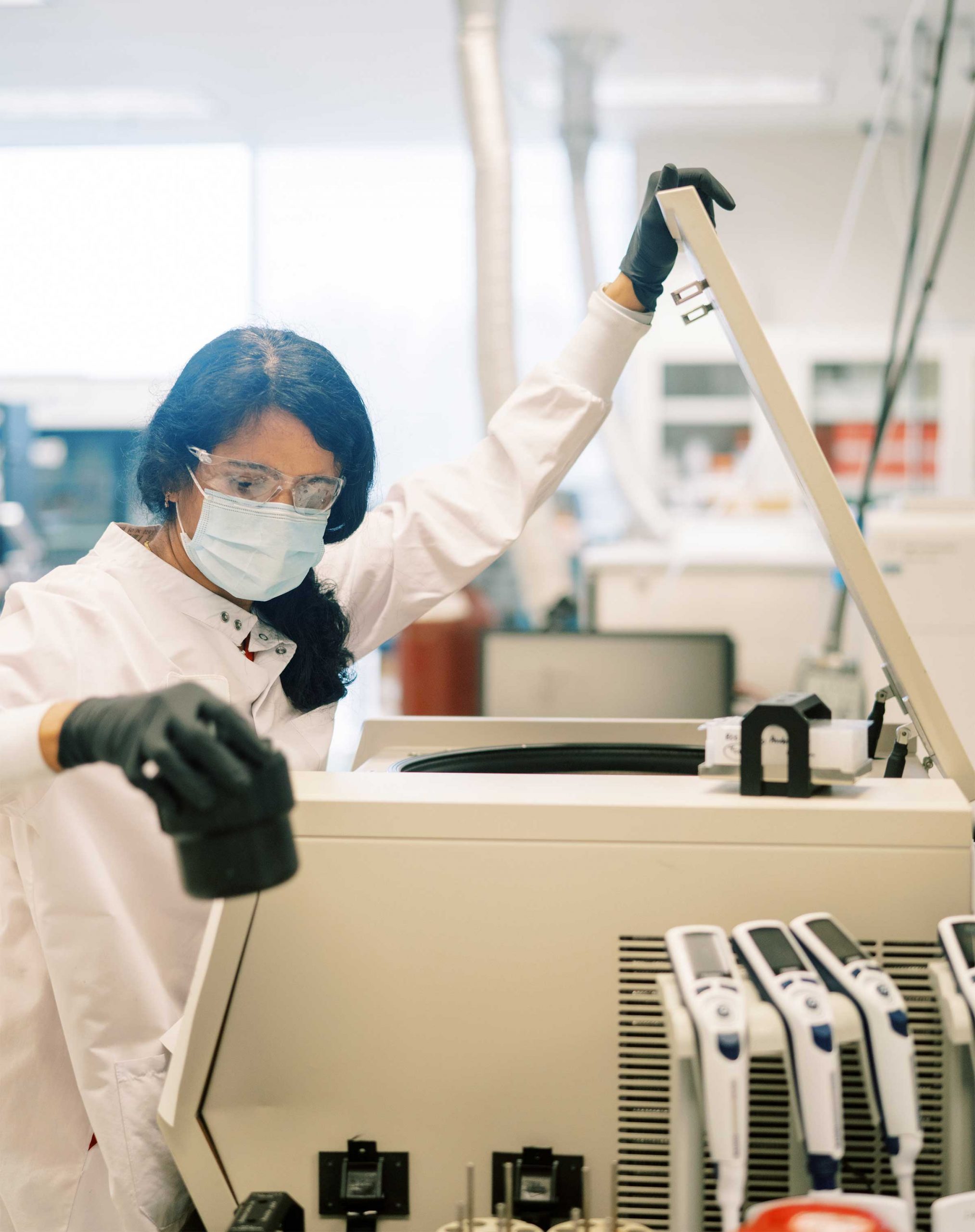
The Termeer Scholars program is a two-day, highly interactive workshop for academics (postdocs, assistant professors, professors, physician scientists, MD Fellows), through which participants will explore values-driven leadership, learn from life science industry experts, and discover pathways to bring their ideas from the bench to the bedside.

The Termeer Institute is committed to championing emerging biotechnology leaders and finding people who want to solve the biggest problems in human health. By supporting researchers, we plant the seeds for future success in individuals who are preparing to make significant contributions in academia and industry.
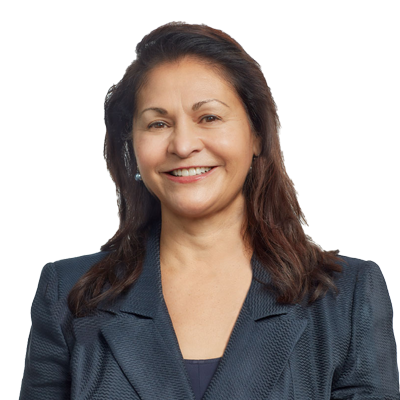
BELINDA TERMEER
President of The Termeer Institute
MEET OUR 2025 SCHOLARs
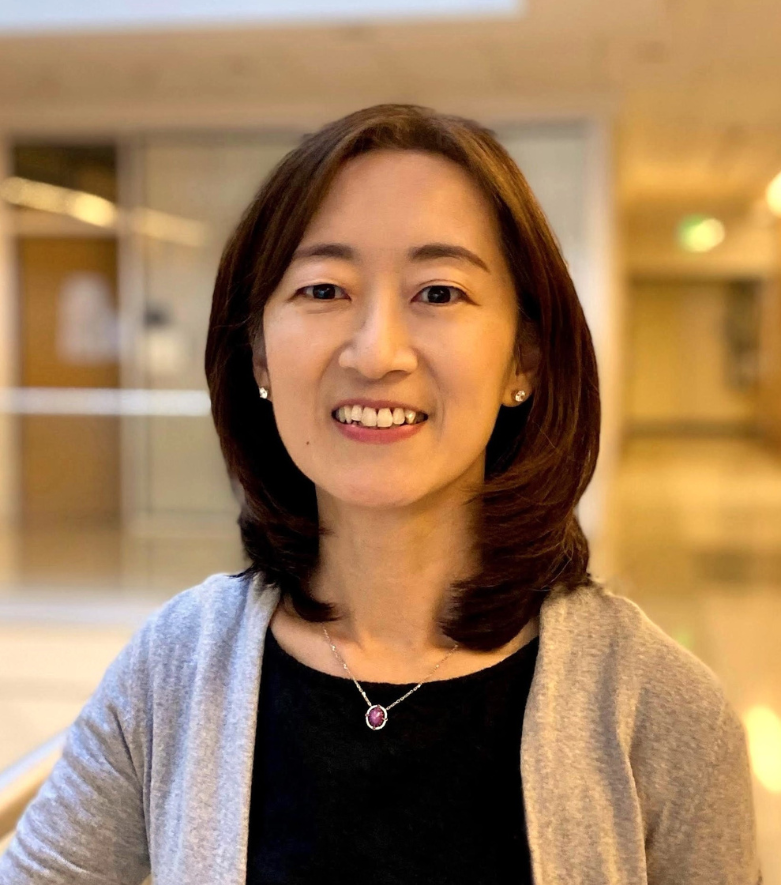
Erin (Eun-Young) Ahn
Professor, University of Alabama at Birmingham

Joseph Beyene
Scientific Collaborator, Brigham & Women’s Hospital

Victor Santoro Fernandes
Entrepreneurial Postdoctoral Fellow, University of Wisconsin-Madison
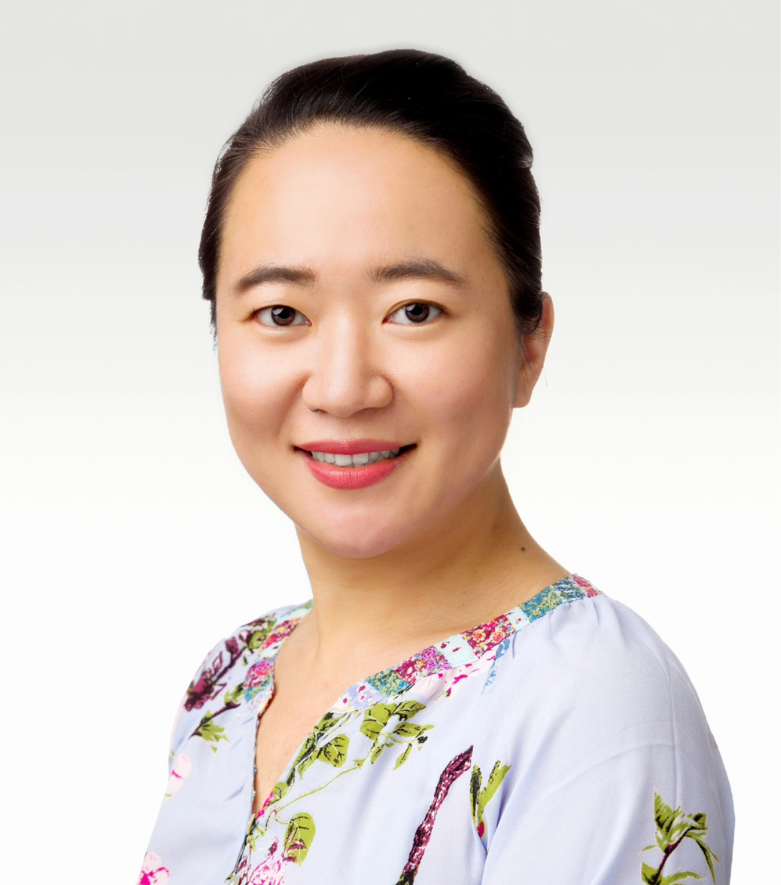
Bin Jiang
Assistant Professor, Northwestern University

Daniel Kiss
Associate Professor, Houston Methodist Research Institute

Bryan Ranger
Assistant Professor, Boston College
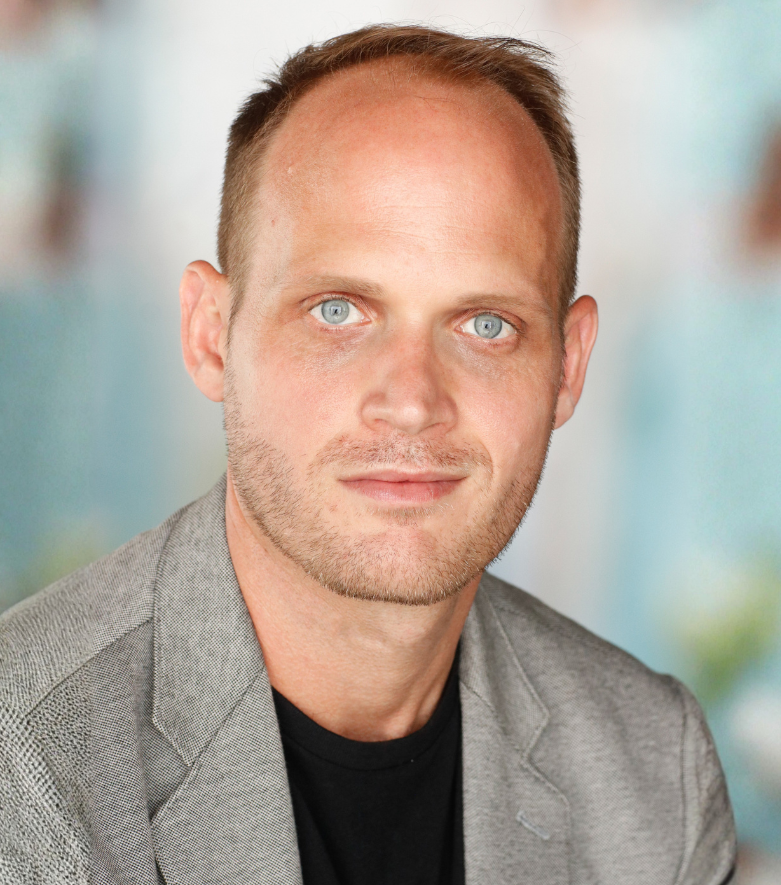
Tristan Scott
Assistant Research Professor, City of Hope
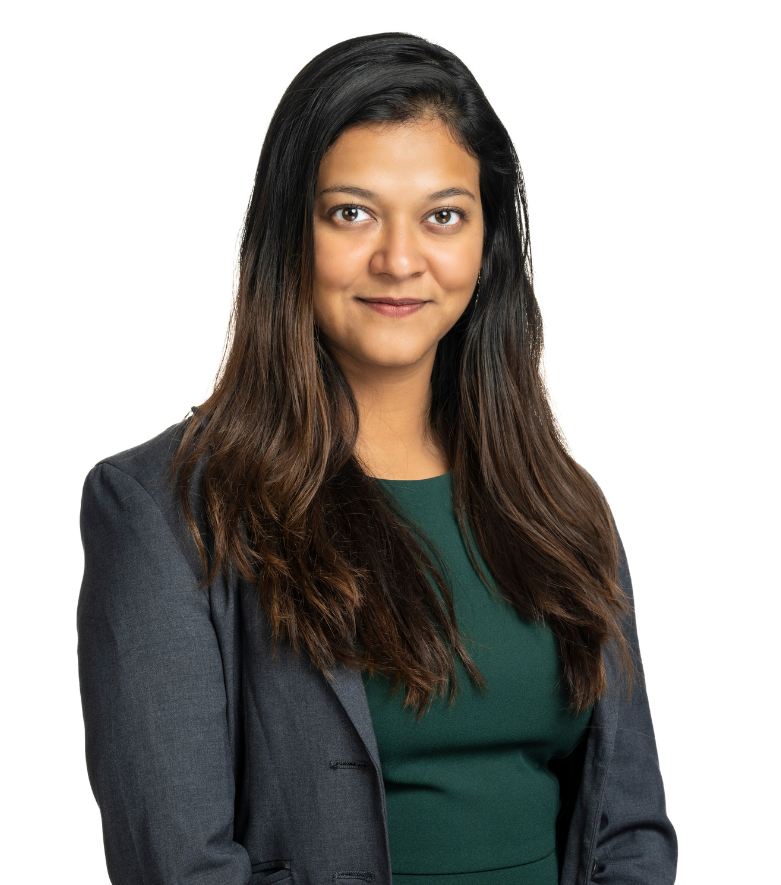
Sapna Sinha
Postdoc, Massachusetts Institute of Technology
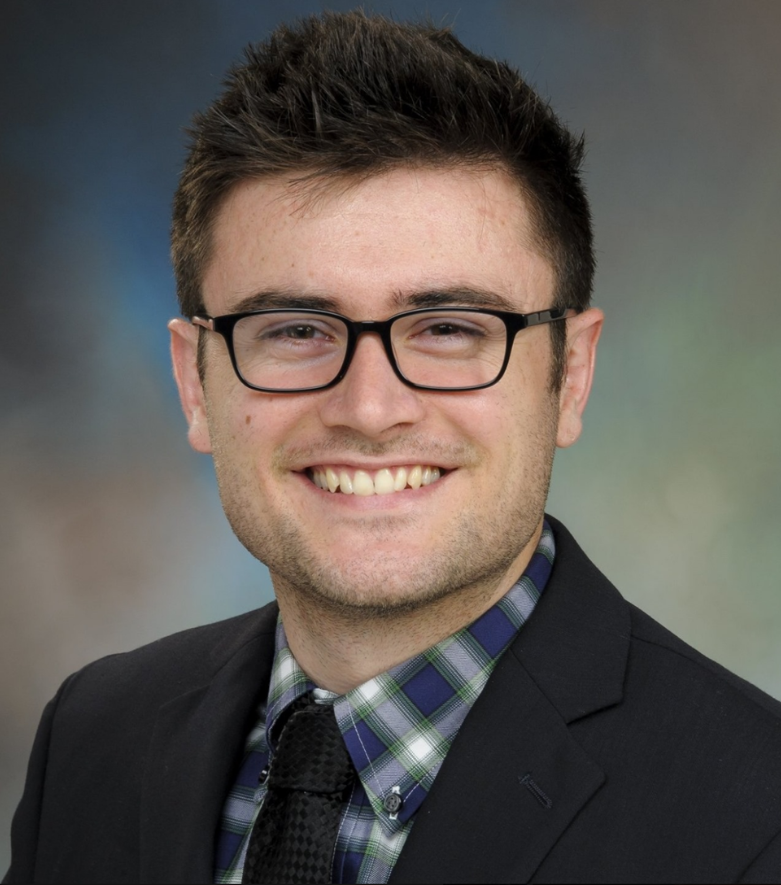
Robert Thompson
Medical Fellow & Postdoc, Harvard University
PAST SCHOLARS
Keep up with the work of the Termeer Scholar Award recipients by following the links below to their LinkedIn profiles.
2024 SCHOLAR AWARD HONOREES
(2024 ROLE)
Chidiebere Ibe (Lead Medical Illustrator, MIDAP HMS International Center for Genetic Diseases & Founder, ProjectKreate)
Charlene Son Rigby (CEO, Global Genes)
2023 SCHOLAR AWARD HONOREE
(2023 ROLE)
Winston Yan (President, N=1 Collaborative)
2022 SCHOLAR AWARD HONOREES
(2022 ROLE)
Omar Abudayyeh (McGovern Fellow at Massachusetts Institute of Technology)
Jonathan Gootenberg (McGovern Fellow at Massachusetts Institute of Technology)
FREQUENTLY ASKED QUESTIONS
Who is eligible for the Termeer Scholars program?
- The selection criteria for the program are as follows
Academics currently affiliated with a U.S. university (postdocs, assistant professors, professors, physician scientists).
Individuals in the early stages or interested in commercializing a scientific or technological advancement and are still operating within their university system (i.e., tech transfer or innovation office).
Have filed an invention disclosure with their university tech transfer or innovation office.
The idea should address an unmet healthcare need, with potential for real-world impact.
Academics with a passion for patient impact—and embody Termeer’s core values of Responsibility, Passion, Innovation, Humility, and Connectivity.
What does the application process include?
The application for the 2025 Termeer Scholars program opens on Monday, July 14th and closes on Friday, August 29th.
The application includes but is not limited to questions about the applicant’s research, desire to create real-world impact, and their core values. Applicants are also required to submit a short (2-3 minute) video responding to a prompt question.
Selected finalists will be asked to participate in a 30-minute Zoom interview. All applicants will be notified of final decisions in November.
Apply here
What is the timeline for the application?
- July 14th: Application open
- August 29th: Application closes
- October: Applicants will be notified of their selection as a finalist or not.
- Mid-October: Finalist interview will be completed
- Early November: Finalists will be notified of final decisions
- Program Dates: December 3rd-4th, 2025
What does the Termeer Scholars program consist of?
In this two-day, highly interactive workshop, participants will explore values-driven leadership, learn from life science industry experts, and discover pathways to bring their ideas from the bench to the bedside. Topics covered include leadership identity, visioning, goal-setting, collaboration, teaming, commercialization, business development, partnerships, network building, patient impact and academic vs industry mindset.
What are the program dates/time commitments for the 2025 Scholars program?
The two-day workshop will be held in Boston the first week of December 2025. (Specific dates to be determined)
What costs does the Termeer Institute cover during the program?
The Termeer institute covers the costs of activities, content sessions, guest speakers, meals and events during sessions. The Termeer Institute DOES NOT cover costs of travel and stay for in-person programming days.
If I am not selected, can I re-apply?
Applicants can re-apply but we recommend that candidates apply no more than three times.
Erin (Eun-Young) Ahn
Professor, University of Alabama at Birmingham
Dr. Erin (Eun-Young) Ahn is a Professor in the Department of Pathology, Division of Molecular and Cellular Pathology, at the University of Alabama at Birmingham. She is a founding member of the ZTTK SON-Shine Foundation and currently serves as a Board Member, Lead Researcher, and Co-Chair of both the Scientific and Clinical Advisory Boards.
Erin earned her BS and MS degrees from Seoul National University in South Korea and her PhD from the University of Alabama at Birmingham. She completed her postdoctoral training at the University of California San Diego, where she began studying the SON gene before establishing her own research laboratory in 2012. Her groundbreaking work led to the discovery of ZTTK syndrome in 2016, which is caused by mutations in the SON gene.
With deep expertise in the molecular mechanisms of SON function, Erin’s research explores how SON deficiency disrupts normal cell and organ development, leading to the complex, multisystem symptoms seen in ZTTK syndrome. Building on this foundation, she is now expanding her work toward translational and therapeutic approaches, collaborating with scientists, clinicians, and biotech partners to identify potential treatments and improve patient outcomes.
Beyond her research contributions, Erin works closely with parents and families in the ZTTK community and the Foundation to make science accessible, patient-centered, and impactful. She is deeply committed to translating scientific discoveries into meaningful therapies that improve the lives of individuals with ZTTK syndrome.
Joseph Beyene
Scientific Collaborator, Brigham & Women's Hospital
As an impact-driven entrepreneurial scientist, Joseph is passionate about helping build inclusive ecosystems of innovation
He is currently the Assistant Director of Corporate Partnerships in life sciences at Johns Hopkins Technology Ventures and co-leading the translational development of a first-in-class topical solution to prevent tick-borne diseases in collaboration with Brigham and Women’s Hospital. Our work led to a collaborative research agreement with the USDA Cattle Tick Fever Program to advance commercialization, supported by funding from the MassVentures Acorn Grant, the Massachusetts Life Sciences Center Health Equity Accelerator, and LabCentral’s prestigious Golden Ticket award.
He also enjoys teaching and currently serves as an adjunct professor in Northeastern University’s graduate Biotechnology program and created Emmanuel College’s inaugural biotech applications course. At Harvard Medical School, he helped expand its first Lyme disease research consortium, supported by a $5 million philanthropic investment.
He earned my BA in Sociology from UC Berkeley and a PhD from the Harvard T.H. Chan School of Public Health, where he received the NIH Ruth L. Kirschstein National Research Service Award for his work on a novel drug-delivery platform that contributed to the foundational research behind the Harvard spinout VesigenTx, which later secured a $28 million Series A and was recently acquired by Turn Biotechnologies.
Outside of work, although he has two left feet, he enjoys dancing bachata, playing pick-up basketball, and attending live music events.
Victor Santoro Fernandes
Entrepreneurial Postdoctoral Fellow, University of Wisconsin-Madison
Victor Santoro Fernandes is a medical physicist and Entrepreneurial Postdoctoral Fellow at the University of Wisconsin–Madison, where he develops next-generation imaging tools to accelerate the clinical translation of cell therapies. His work bridges molecular imaging and quantitative modeling, focusing on PET-based technologies that enable in-vivo tracking of therapeutic cells in pre-clinical models. Victor is a co-founder of CellTrack, a UW spinout advancing a proprietary zirconium-89–based platform (TrackTGL) for noninvasive assessment of T-cell biodistribution and persistence. His research and company have received support from the North American Neuroendocrine Society (NANETS grant), and his translational focus has been recognized through multiple entrepreneurship programs, including NSF I-Corps, gener8tor gBETA, and the Wisconsin Governor’s Business Plan Contest (Life Sciences finalist). Passionate about building bridges between academia and industry, Victor aims to transform how cell therapies are evaluated, improving patient outcomes by enabling faster, data-driven therapeutic development and delivery.
Daniel Kiss
Associate Professor, Houston Methodist Research Institute
Daniel Kiss, PhD, is an Associate Professor in the Center for RNA Therapeutics at Houston Methodist Research Institute. With ~20 years of work decoding how mRNAs are produced, translated, and degraded, he is now translating deep RNA biology expertise into a next-generation circular RNA therapeutic platform. His team has developed novel methods to generate and purify circular RNA, producing candidates that have drawn support from CEPI. His circular RNA Chikungunya vaccine has outperformed mRNA in three small-animal studies and enters non-human primate testing in January 2026. Early data also show promise for best-in-class gene-rescue therapies in select rare diseases. A 2024 participant in the TMC Innovation Accelerator for Cancer Therapeutics, Daniel is now launching peakRNA, a circular RNA platform company, to bring these advances to patients globally.
Bin Jiang
Assistant Professor, Northwestern University
Bin Jiang, Ph.D. is a biomedical engineer with over a decade of experience leading interdisciplinary research at the intersection of regenerative engineering, vascular surgery, and translational therapeutics. She is currently a faculty member at Northwestern University and the Founder & CEO of MitoWay Therapeutics, a biotech startup pioneering targeted mitochondrial delivery for vascular and metabolic diseases. Her academic lab develops regenerative and cell-based therapies with a focus on mitochondrial medicine, iPSC-derived platforms, and biomaterial-based delivery systems. Her work has been supported by the NIH, the American Heart Association, and private philanthropy, and published in leading journals across bioengineering and translational medicine. Passionate about bridging academia and industry, Dr. Jiang is committed to translating innovative science into real-world therapies and to training the next generation of translational researchers.
Bryan Ranger
Assistant Professor, Boston College
Bryan Ranger is the Ferrante Family Assistant Professor of Engineering at Boston College, with a courtesy appointment in Nursing. He leads the Biomedical Imaging and Instrumentation Lab, where his research integrates biomedical engineering, global health, and AI to develop portable ultrasound technologies for improving maternal and neonatal health. Prior to joining BC, he was a Program Officer in Global Health at the Bill & Melinda Gates Foundation. He completed his Ph.D. in the Harvard-MIT Program in Health Sciences and Technology and received his B.S.E. and M.S.E. in Biomedical Engineering from the University of Michigan.
Tristan Scott
Assistant Research Professor, City of Hope
Tristan Scott is a Group Leader and Assistant Research Professor at City of Hope developing next-generation gene therapies for cancer. His work bridges discovery and translation, focusing on precision RNA and epigenetic repressors delivered through advanced non-viral systems such as lipid nanoparticles (LNPs) and extracellular vesicles (EVs). His research has naturally evolved from targeting viruses to virus-driven cancers, with a particular focus on HPV-associated malignancies. Furthermore, having grown up in Sub-Saharan Africa with the world’s highest incidence of people living with HIV – in which virus-associated cancers are significantly elevated – his work aims to develop targeted treatments for cancers that are accessible to both general and vulnerable populations. His team is advancing EV-based RNAi delivery platforms as novel RNAi-based therapeutics as well as innovative epigenetic repressors delivered with LNP-mRNA systems tested in advanced preclinical patient derived models. Guided by a mission to translate creative ideas into real-world impact, he is committed to advancing new biotechnologies for life-changing gene therapies in patients.
Sapna Sinha
Postdoc, Massachusetts Institute of Technology
Sapna Sinha is a Senior Schmidt Science Postdoctoral Fellow in the Boyden lab at McGovern Institute at MIT, where her work focuses on de-immunizing optogenetics to enable therapeutic application in the peripheral nervous system. Her research, which is highly interdisciplinary, utilizes domain knowledge and tools from neuroscience, immunology, engineering, materials, and computation, to solve this complex problem in neuro-immunology. Sapna holds a DPhil degree in Materials Science from the University of Oxford (2020), and Chemical Engineering degree from Nagoya University, Japan (2016). She trained as an engineer and materials scientist in Prof. Jamie Warner’s group, with expertise in nanomaterial synthesis and characterization for optoelectronic applications. Prior to moving into Neuro-Immunology at MIT, she also held a faculty position at the Nanoscience and Nanotechnology Centre at Osaka University, Japan for a year. Sapna has been recipient of several awards including JASSO Scholarship, Linacre Women in Science Fellowship at Oxford, Schmidt Science Fellows, McGovern Travel and Technology Award at MIT and Forbes 30 Under 30, 2024.
Robert Thompson
Medical Fellow & Postdoc, Harvard University
Robert completed his pediatrics residency at Boston Children’s Hospital and he is currently a neurogenetics and gene therapy fellow in Dr. Florian Eichler’s program at Mass General as well as a genetics and metabolism fellow in the Harvard Medical School Genetics Training Program. He plans to practice as a biochemical geneticist and hope to start a translational research group focused on bringing gene targeted therapies from bench to bedside for patients with inborn errors of metabolism. He is passionate about helping to scale the safe and equitable translation of genomic therapies via both traditional larger scale trials as well as innovative “N of 1” or “N of few” individualized approaches.